
Sleep and breathing
Obstructive sleep apnoea
With obstructive sleep apnoea, or OSA, the airway in your throat repeatedly narrows or closes while you sleep. Breathing slows or pauses, oxygen levels can fall and you may wake briefly as breathing resumes. You might not remember waking, even if it happens many times in a night.
We provide custom oral appliance therapy. The online questionnaire cannot diagnose sleep apnoea.
How OSA interrupts breathing
Normal breathing
Breathing during sleep apnoea
Signs to look for
A partner may notice changes in your breathing before you do. You might mainly notice how you feel the next morning.
During sleep
- Regular, loud snoring
- Pauses in breathing that someone else notices
- Waking up gasping or choking
- Restless sleep or waking often
After waking
- Feeling unrefreshed even after a full night in bed
- Morning headaches or a dry mouth
- Trouble concentrating or remembering things
- Nodding off during the day, such as while reading or watching TV
Who can get sleep apnoea?
Sleep apnoea can affect adults of any age or size. It's more likely if it runs in your family, if you have larger tonsils or if you're living with obesity. The chance also rises after menopause.
It's worth getting symptoms checked, even if none of these factors apply to you.
When to seek help
Contact us or speak with your GP if someone regularly notices pauses in your breathing or poor sleep affects your day. Mention if you struggle to stay awake while driving.
Over time, untreated OSA is associated with health problems including high blood pressure, heart disease and type 2 diabetes.
Getting a diagnosis
What happens during a sleep study?
Small sensors record your breathing and blood oxygen while you sleep. Depending on the study, they can also track your sleep stages, heart rate and body position.
Some people can do the study at home. In a sleep lab, a technician can monitor the recording overnight. Your doctor can recommend which type of study suits your symptoms and medical history.
Ask for a copy of your sleep study report. If you come to see us about an oral appliance, bring the report along with a list of your medicines and any referral you have.
Read our guide to sleep studiesIf you think you might have sleep apnoea, you can contact us directly to talk through your symptoms and next steps. Sleep apnoea is diagnosed by a medical practitioner, usually with a sleep study.

Reading your sleep study report
- Breathing interruptions
- The apnoea-hypopnoea index, or AHI, is the average number of times per hour of sleep that breathing stops or airflow drops enough to count as an event.
- Oxygen levels
- The report can show how low your blood oxygen fell and how much time it stayed low.
- Sleeping position
- Your report may show whether breathing interruptions were more frequent on your back than on your side.
We will consider these findings alongside your symptoms and health history when discussing treatment with you.
Oral appliance therapy for sleep apnoea
At Perth Oral Sleep Clinic, we assess whether a custom oral appliance could help with your sleep apnoea. If it's suitable, we fit it to your teeth and review how you're getting on as you wear it.
How a custom appliance works
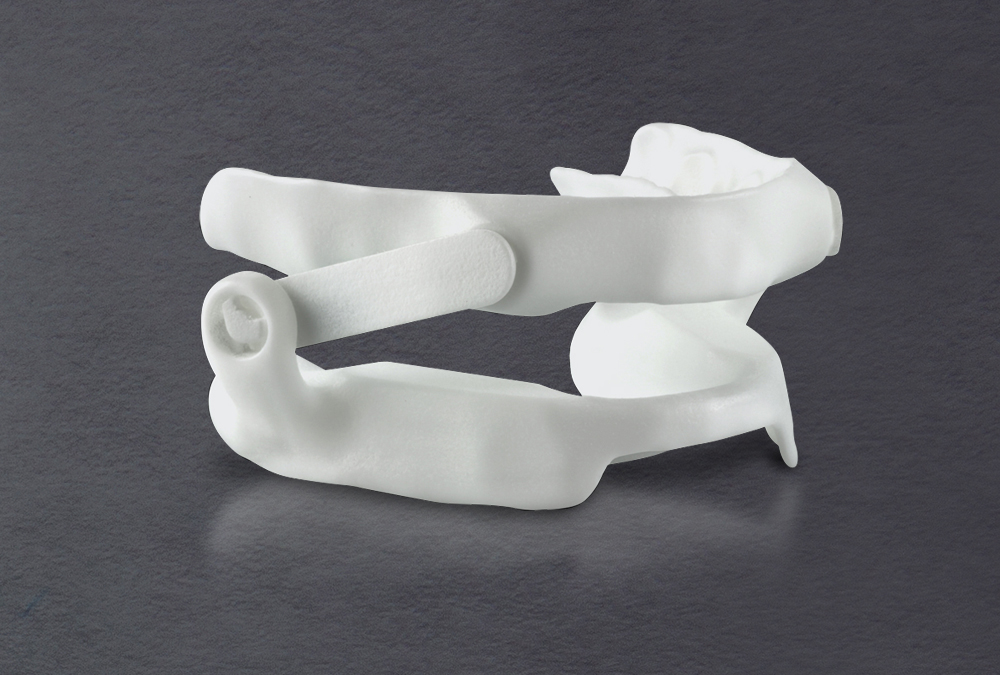
A mandibular advancement device, or MAD, fits over your upper and lower teeth. It holds your lower jaw a little forward while you sleep, which can leave more room for air to pass behind your tongue.
An appliance may be suitable for some adults with mild or moderate OSA. A sleep physician may also consider one in selected cases when CPAP is difficult to tolerate. The decision depends on your sleep study, your medical needs and whether your teeth and jaw can support a device.
Where CPAP fits
CPAP uses air pressure through a mask to keep the airway open. It's often recommended for severe OSA. If you find it hard to wear, ask the clinician who prescribed it about mask fit or other options. Keep using prescribed CPAP until your treating clinician advises a change.
Depending on what your sleep study shows, your doctor may also discuss sleeping on your side, weight management where relevant, or a referral for surgical assessment.
What happens if an appliance suits you?
Getting a custom appliance usually takes several visits. The first is to see whether a device is appropriate for you. Later visits are for fitting, adjustment and review.
-
Check that your mouth can support it
We review your sleep study and check your teeth, gums, bite and jaw movement. Tell us if you have jaw pain, loose teeth or dental work coming up.
-
Fit and adjust the appliance
We take a scan or impression of your teeth to make the appliance. At the fitting, we'll show you how to wear and clean it. Tell us if your teeth or jaw feel sore or your bite feels different so we can check the fit and adjust the device if needed.
-
Check how well it's working
Your treating clinician may recommend another sleep study with the appliance in place. Ongoing dental reviews help check the fit and spot changes to your teeth, bite or jaw.
Common questions
Read more about snoring or see Healthdirect's guide to sleep apnoea (opens in a new tab).
Does snoring mean I have sleep apnoea?
Snoring can happen without sleep apnoea. If you notice breathing pauses, gasping or persistent daytime sleepiness, contact the clinic or speak with your GP about getting assessed.
Can I have sleep apnoea if I don't feel sleepy?
Yes. Some people with sleep apnoea feel alert during the day. Repeated pauses or gasping during sleep are worth getting checked even if you feel rested.
Is obstructive sleep apnoea the same as central sleep apnoea?
In obstructive sleep apnoea, the airway narrows or closes even though your body is trying to breathe. In central sleep apnoea, the signals that drive breathing briefly pause. A sleep study helps your doctor tell them apart, and treatment depends on the type.
Can I use a shop-bought mouthguard for sleep apnoea?
A regular mouthguard or night guard has a different purpose. A custom sleep apnoea appliance fits your teeth and lets the dentist adjust how far forward it holds your lower jaw. The treatment also needs follow-up to check your bite and whether the appliance is controlling your sleep apnoea.
If I snore less with an appliance, is it working?
Less snoring can be encouraging, but it cannot tell you whether your breathing pauses are under control. Your treating clinician may recommend a follow-up sleep study while you wear the appliance.
What should I bring to my oral appliance consultation?
Bring your sleep study report if you have it. Tell the dentist about any treatment you've tried, including CPAP or a previous appliance, and mention any jaw pain or dental problems.
I had a sleep study years ago. Do I need another one?
Bring your previous report if you have it. Your GP or sleep physician can advise on another study, especially if your symptoms, weight or health have changed since the last one.
Can I wear an oral appliance if I have crowns or missing teeth?
It depends on where those teeth are and how much support the appliance would have. At your assessment, the dentist checks which teeth can hold the appliance, how your teeth meet and how comfortably your jaw moves.